Authentic Cultural Immersion in Nepal: Living with Newar, Tharu, Gurung and Sherpa Communities
Nepal is home to dozens of ethnic groups, each with its own language, food and festivals. How a homestay-based placement lets you experience that diversity respectfully, from Kathmandu to Chitwan and Pokhara.
Global Citizens Nepal Team
Programme team, Kathmandu • • 7 min read
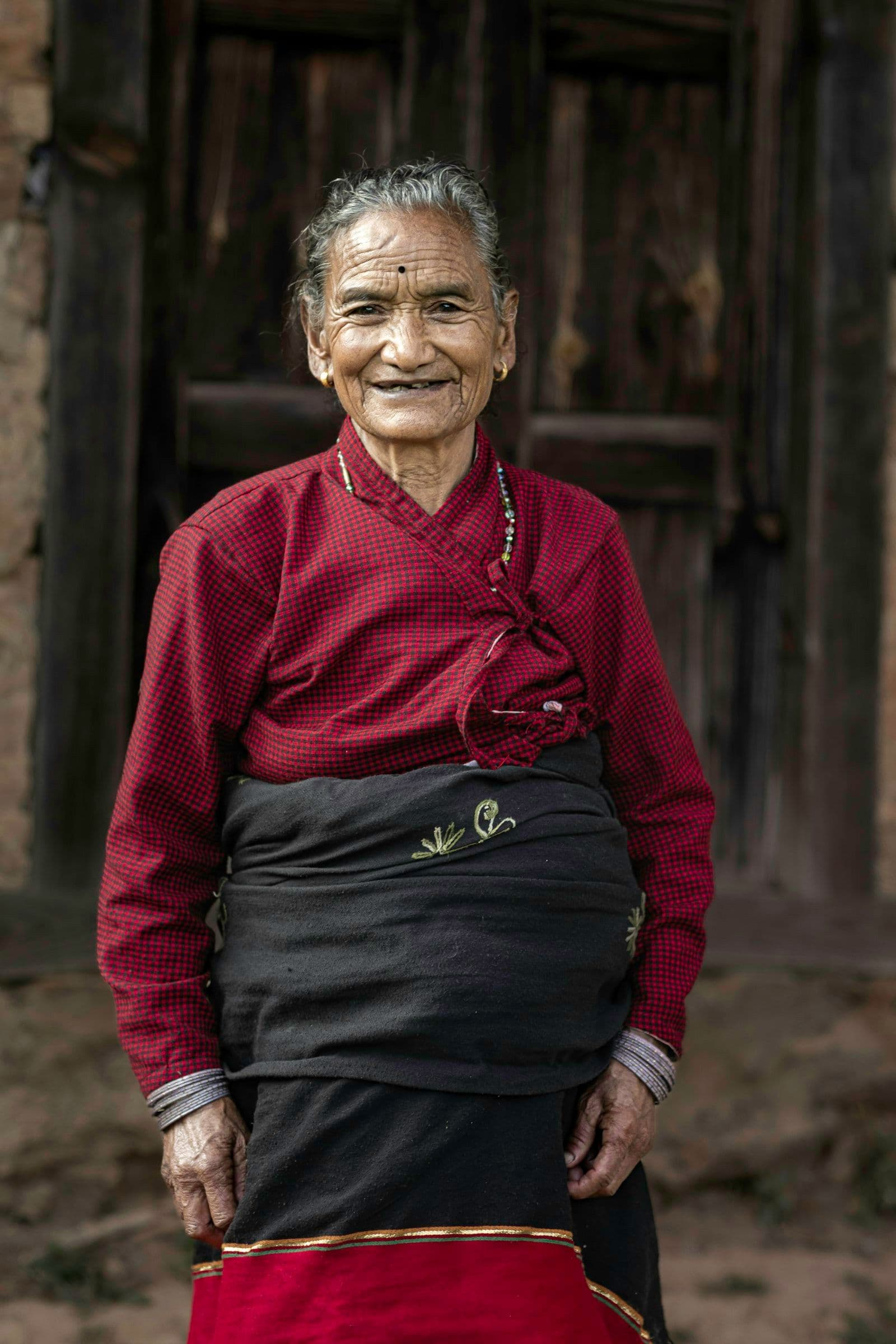
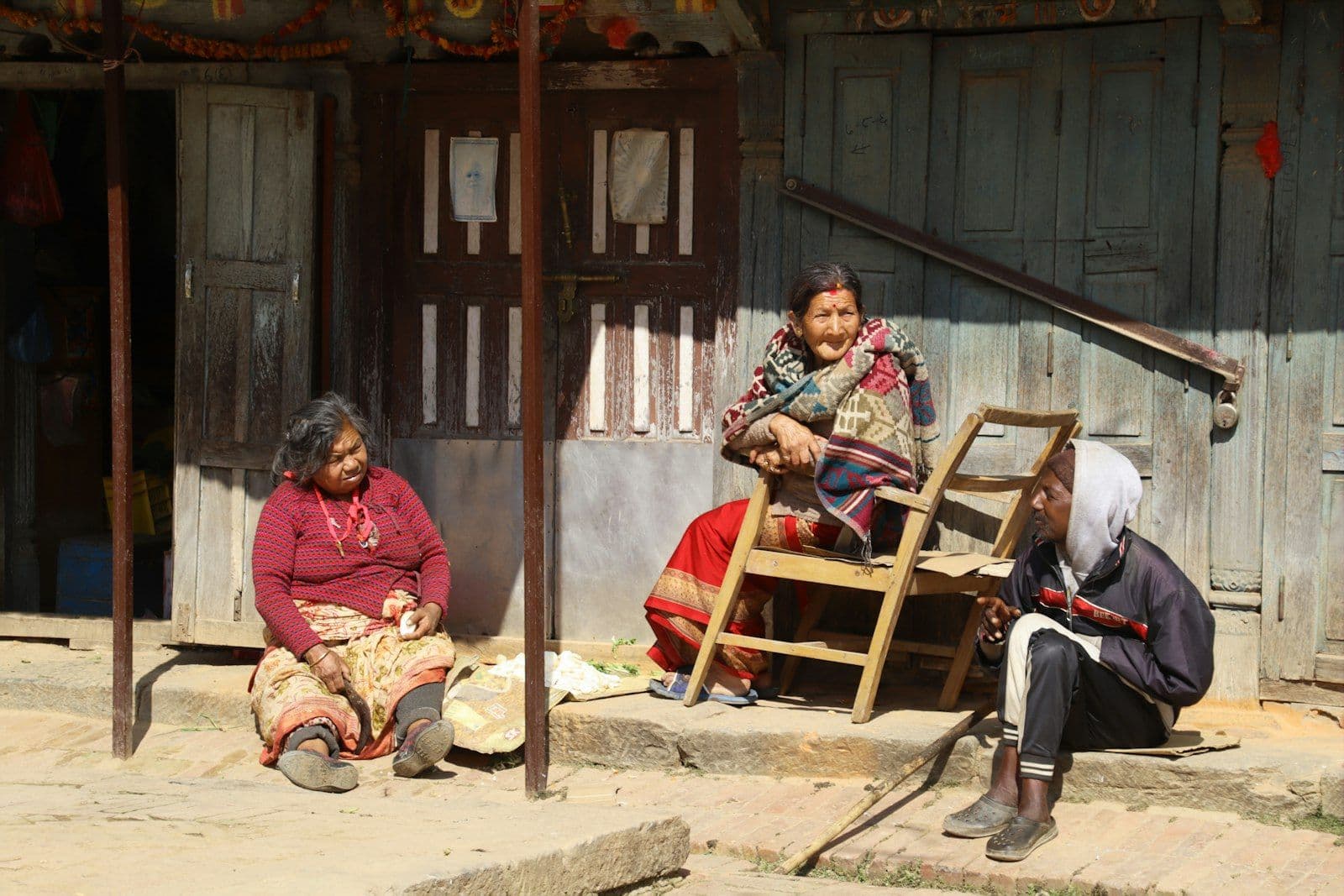
Ask a Nepali friend where they are from and the answer often includes a community as well as a place. Nepal’s census records well over a hundred ethnic and caste groups and a similar number of mother tongues, all in a country smaller than many US states. For volunteers, this diversity is one of the greatest rewards of a placement, and a homestay is the best way to experience it.
The Newars of the Kathmandu Valley
The Newars built the pagoda temples, palaces and brick courtyards of Kathmandu, Patan and Bhaktapur. Their calendar is full of chariot festivals and masked dances, and their food, from bara lentil pancakes to choila and juju dhau curd, is a cuisine of its own. Volunteers in Kathmandu often join a Newari feast or a cooking class with their host family.
The Tharu of the Chitwan lowlands
In the Terai around Chitwan National Park, Tharu villages are known for their mud-walled houses painted with motifs, their fishing and farming traditions and the energetic stick dance performed at festivals. Our conservation and farming volunteers stay with Tharu families and learn how communities live alongside rhinos and elephants.
The Gurung and Magar of the Pokhara hills
Around Pokhara, stone-built villages such as Ghandruk are home to Gurung and Magar families, many with a proud history of service as Gurkha soldiers. Community homestays here welcome guests with flower garlands, millet bread and evening songs, and weekend hikes from our Pokhara projects end in these villages.
The Sherpa and Tamang of the high mountains
Further north, Sherpa communities in the Khumbu and Tamang villages in Rasuwa and Nuwakot follow Tibetan Buddhist traditions: prayer wheels, monasteries and the Losar new year. Volunteers on our rebuilding programme in Rasuwa and Nuwakot live alongside Tamang families.
How to be a respectful guest
- Learn a few words: Namaste, dhanyabad (thank you) and mitho chha (it is delicious) open every door.
- Eat with your right hand and accept food and gifts with your right hand or both hands.
- Take off your shoes before entering homes, kitchens and temples.
- Walk clockwise around stupas and prayer wheels.
- Ask before photographing people, rituals and the inside of temples.
- Dress modestly, especially in villages and at religious sites.
Every Global Citizens programme includes an orientation on local culture and a homestay or community stay wherever possible, so that your time in Nepal is not just a visit but a genuine exchange.
Written by Global Citizens Nepal Team
Programme team, Kathmandu
Our Kathmandu-based team has hosted volunteers, interns and travellers in Nepal since 2019.