Medical Electives in Nepal: What Students Can (and Can’t) Do
Thinking about a medical, nursing or dental elective in Nepal? An honest guide to supervision, scope of practice, ethics and how to get the most from your placement.
Global Citizens Nepal Team
Programme team, Kathmandu • • 7 min read
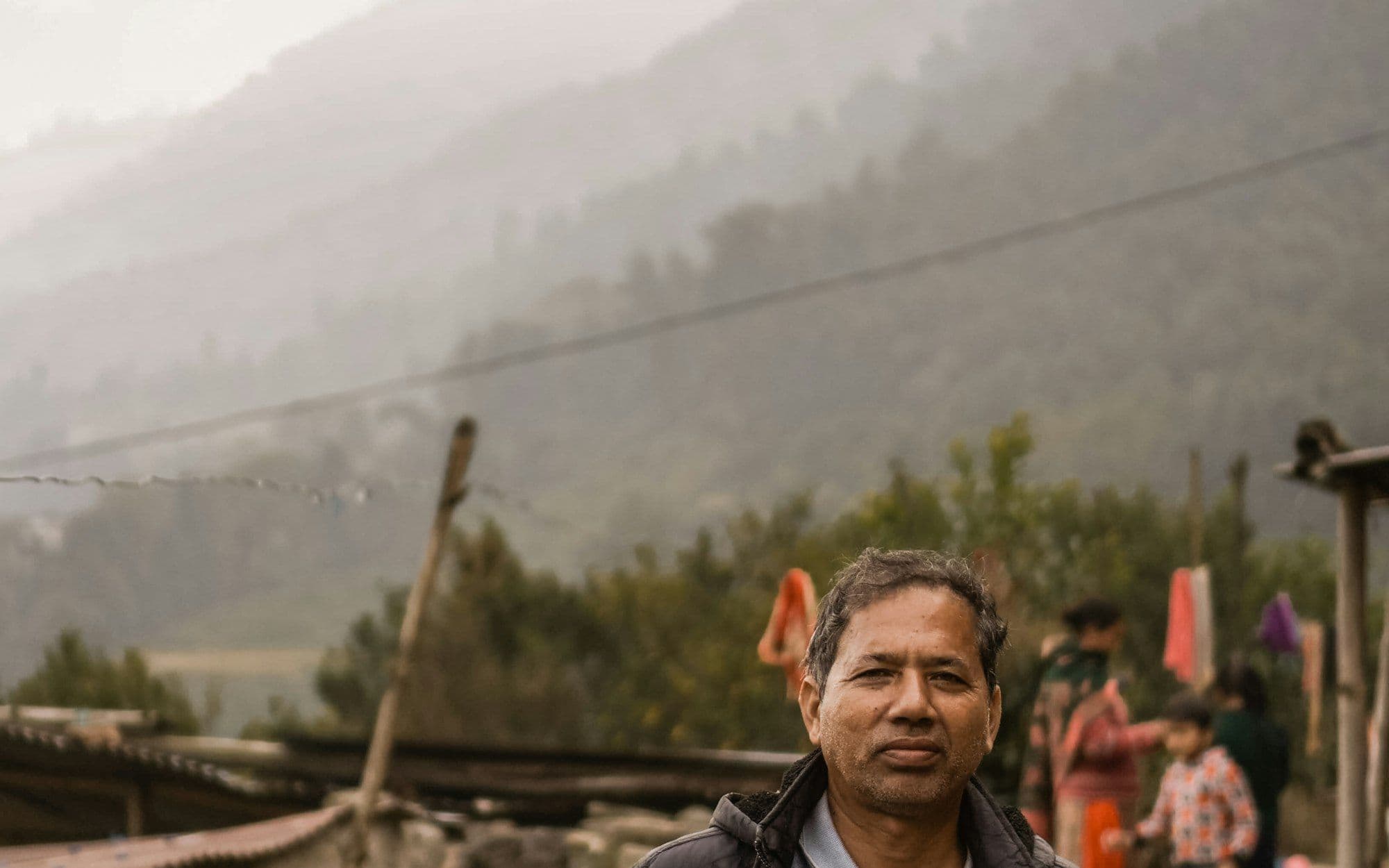
A clinical placement in Nepal can be one of the most formative experiences of a health career. You will see conditions that are rare at home, learn how doctors and nurses work with limited resources, and understand how culture, geography and cost shape health. It is also a setting where good intentions can do harm if students work beyond their training. This guide sets out how our electives work.
Students observe and assist; they do not practise
Medical, nursing, dental and pre-health students on our programmes shadow Nepali clinicians and assist with tasks within their level of training under direct supervision: taking histories with a translator, measuring vital signs, helping with dressings and health education. Students do not perform procedures, prescribe, diagnose or treat patients independently, even if invited to. A simple rule we share with every intern: if you would not be allowed to do it at home at your stage of training, do not do it here.
Qualified professionals need local approval
Registered doctors, nurses and dentists can contribute their skills, but they must first obtain temporary registration or approval from the relevant Nepali professional council and the host hospital before treating patients. We help with the paperwork, which needs your licence, CV and references several weeks before you arrive.
What a typical week looks like
- Hospital rotations: general medicine, paediatrics, emergency, maternity and surgery (observation).
- Rural outreach: health camps and visits to health posts in villages around Kathmandu and Pokhara.
- Teaching sessions: case discussions with Nepali doctors and skills workshops on models.
- Reflection: a logbook and a supervisor’s evaluation for your university.
Making your elective count
- Learn a little Nepali: greetings and simple questions build trust with patients.
- Respect privacy: never photograph patients or share cases on social media.
- Bring your own basics: scrubs, a stethoscope and a pocket guide.
- Ask about the system: costs, referral routes and the role of health posts and community health volunteers.
Our Medical Internship, Nursing Elective, Dental Internship and Healthcare Elective in Pokhara all follow these principles. Contact our team if your university needs specific forms signed.
Written by Global Citizens Nepal Team
Programme team, Kathmandu
Our Kathmandu-based team has hosted volunteers, interns and travellers in Nepal since 2019.