Rhinos, Elephants and Ethics: Why Our Chitwan Programme Has a No-Riding Policy
Chitwan is one of Asia’s great rhino comeback stories. Here is how responsible visitors and volunteers can support it, and why we never offer elephant rides.
Global Citizens Nepal Team
Programme team, Kathmandu • • 6 min read
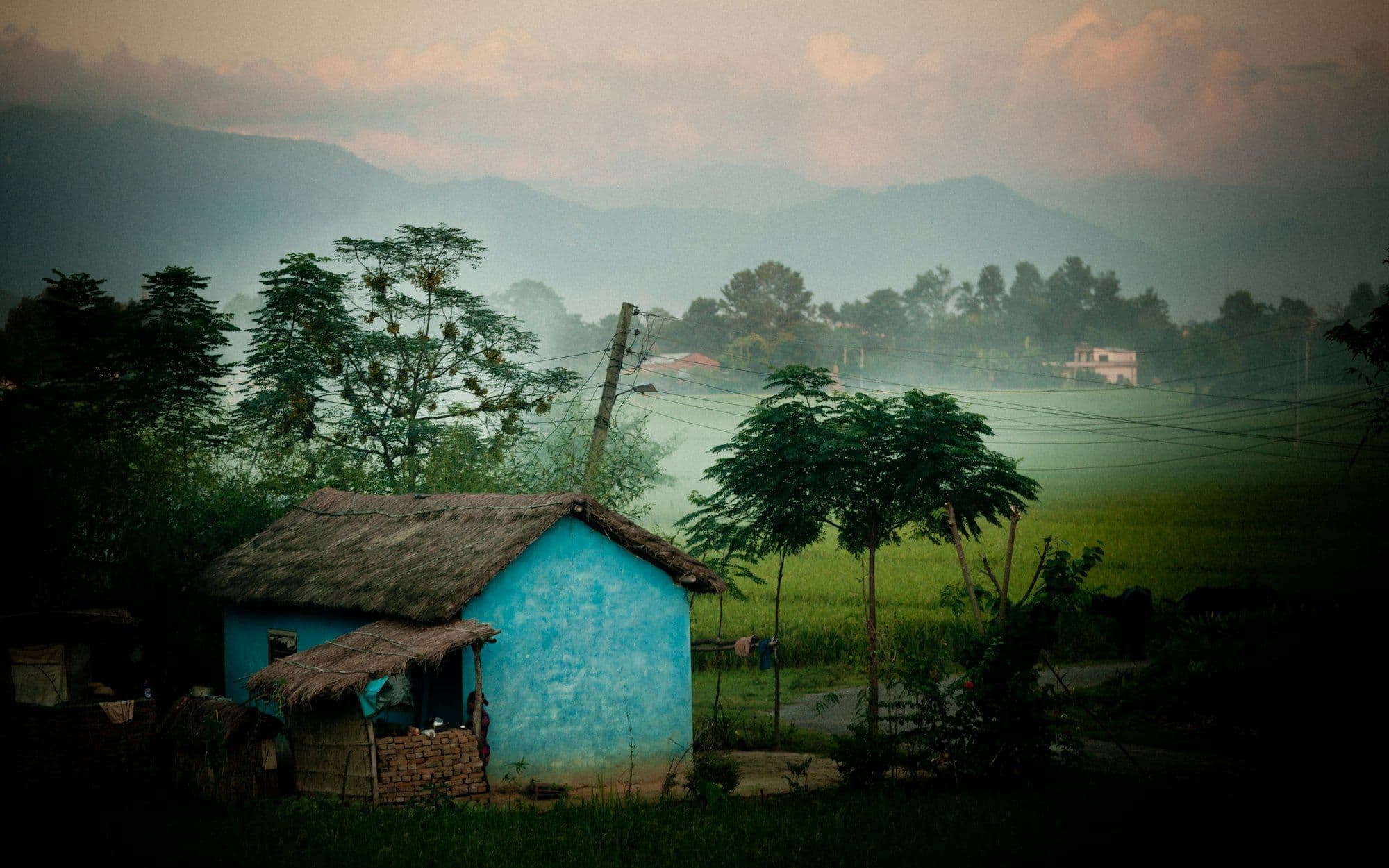
Chitwan National Park, in Nepal’s southern lowlands, is one of the best places in Asia to see wildlife on foot, by canoe or by jeep. It is also a place where tourism has had to learn hard lessons about animal welfare. Here is how we run our elephant and rhino conservation programme, and why we made some firm choices.
A conservation comeback
By the 1960s, poaching and the clearing of the lowland forests had pushed Nepal’s greater one-horned rhinos down to roughly a hundred animals. Chitwan became Nepal’s first national park in 1973, and decades of protection by park staff, the army and local communities followed. The National Rhino Count 2021 found 752 rhinos in Nepal, 694 of them in Chitwan, up from 645 nationally in 2015.
Much of that success depends on the buffer zone, the farmland and community forests around the park, where local communities receive a share of park revenue and help guard against poaching. Volunteers who support community forest groups, habitat work and school conservation clubs are contributing to that system.
Why we never offer elephant rides
Asian elephants have long worked in Chitwan, carrying park patrols and, for decades, tourists. Training an elephant to accept riders has traditionally involved harsh methods, and long hours carrying passengers can harm their backs and their wellbeing. That is why our programme does not include elephant rides or bathing shows. Instead, volunteers support chain-free care: cutting fodder, preparing rice-ball meals, cleaning enclosures and walking with the elephants on their natural daily routines.
How to be a responsible wildlife visitor
- Walk or canoe with a licensed guide: it is quieter than a jeep and supports local guides.
- Keep your distance: rhinos can charge, and a respectful distance protects both of you.
- Never feed or touch wild animals.
- Choose chain-free elephant experiences and avoid anything that involves riding, tricks or shows.
- Stay in community homestays so your money stays in the Tharu villages around the park.
Join the programme
Our Elephant & Rhino Conservation placement is based in the Sauraha buffer zone, with Tharu homestays, habitat restoration, wildlife monitoring with community forest groups and conservation lessons in local schools. Families are welcome, and the best season is October to April.
Written by Global Citizens Nepal Team
Programme team, Kathmandu
Our Kathmandu-based team has hosted volunteers, interns and travellers in Nepal since 2019.