Women’s Empowerment in Nepal: Literacy, Livelihoods and Leadership
Female literacy in Nepal has risen fast, but a real gap remains. How women’s groups, cooperatives and girls’ clubs are closing it, and how volunteers can support them without taking over.
Global Citizens Nepal Team
Programme team, Kathmandu • • 6 min read
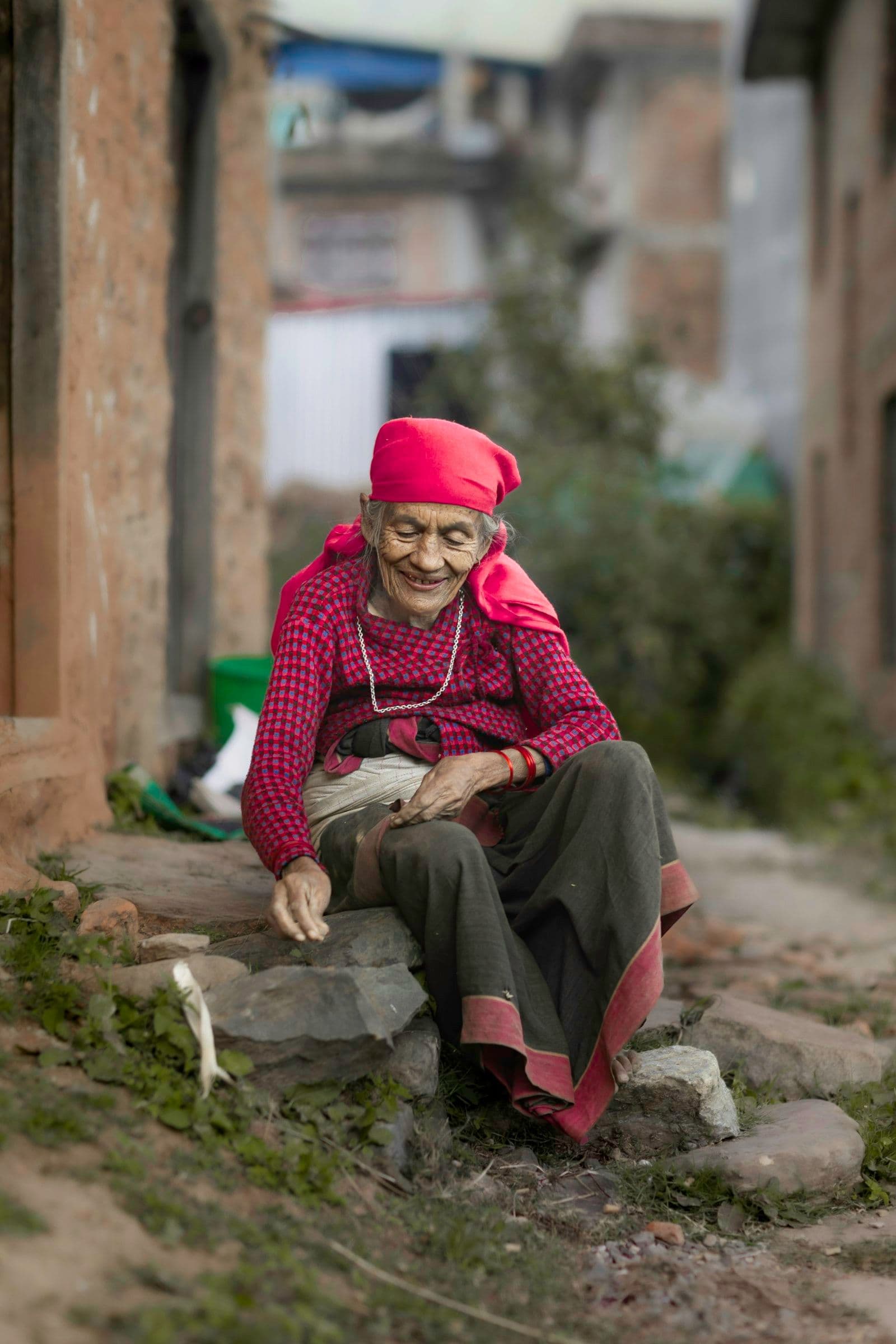
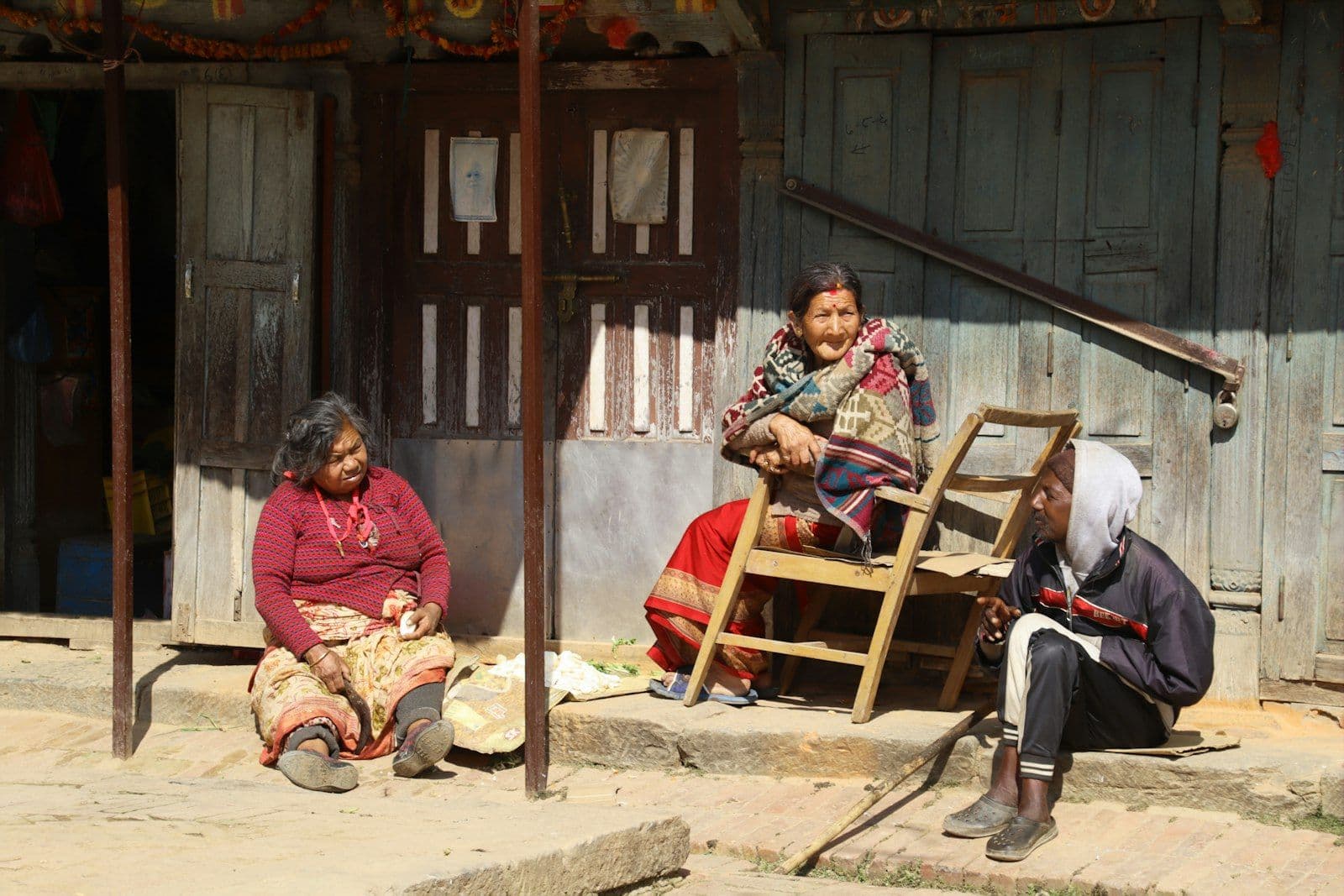
On International Women’s Day it is worth celebrating how far Nepal has come. The 2021 census put the literacy rate at about 84 percent for men and 69 percent for women, a big rise in a decade, but the gap is still widest among older women and in rural districts.
What the gap means in daily life
A woman who cannot read struggles to fill in a bank form, check a medicine label or follow her children’s homework. Many women also manage farms and households alone while husbands work abroad, so practical skills in money management and smartphones matter as much as reading.
Change led by women
Across Nepal, mothers’ groups, savings and credit cooperatives and women’s federations run literacy classes, small loans and training in tailoring, weaving, food processing and homestay hospitality. The most successful programmes are designed and led by the women themselves.
How volunteers can help
- Support, do not lead: volunteers assist local facilitators rather than running classes alone.
- Practical skills: smartphone banking, simple bookkeeping, product photography and pricing.
- Health workshops: menstrual health and nutrition sessions, often led by female volunteers.
- Girls’ clubs: confidence, sport and study clubs that help girls stay in school.
Our Women’s Education & Empowerment programme works with women’s groups and cooperatives in Kathmandu and partner villages. Five percent of every programme fee also goes to our Community Sustainability Fund, which supports projects chosen by local communities.
Written by Global Citizens Nepal Team
Programme team, Kathmandu
Our Kathmandu-based team has hosted volunteers, interns and travellers in Nepal since 2019.