Ten Years After the 2015 Earthquake: How Nepal Rebuilt Its Schools
On 25 April 2015 a 7.8-magnitude earthquake damaged or destroyed nearly 8,000 schools in Nepal. A decade on, we look at what was rebuilt, what was learned, and where volunteers still help.
Global Citizens Nepal Team
Programme team, Kathmandu • • 6 min read
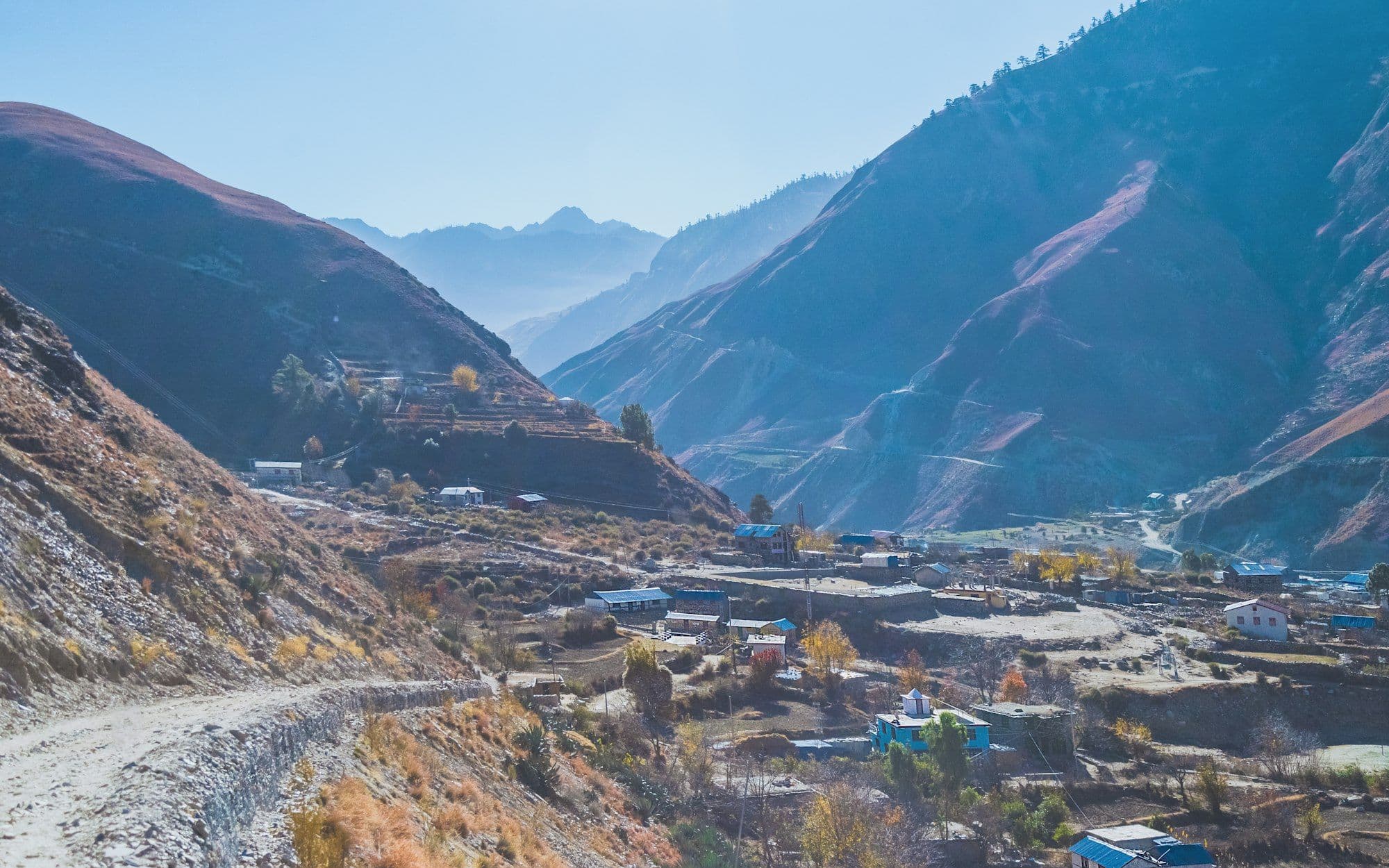
Just before midday on 25 April 2015, a magnitude 7.8 earthquake struck central Nepal, with its epicentre in Gorkha district. A powerful aftershock followed on 12 May. Nearly 9,000 people lost their lives, more than 20,000 were injured, and around a million homes were destroyed or badly damaged across the hills around Kathmandu.
Schools were among the hardest hit
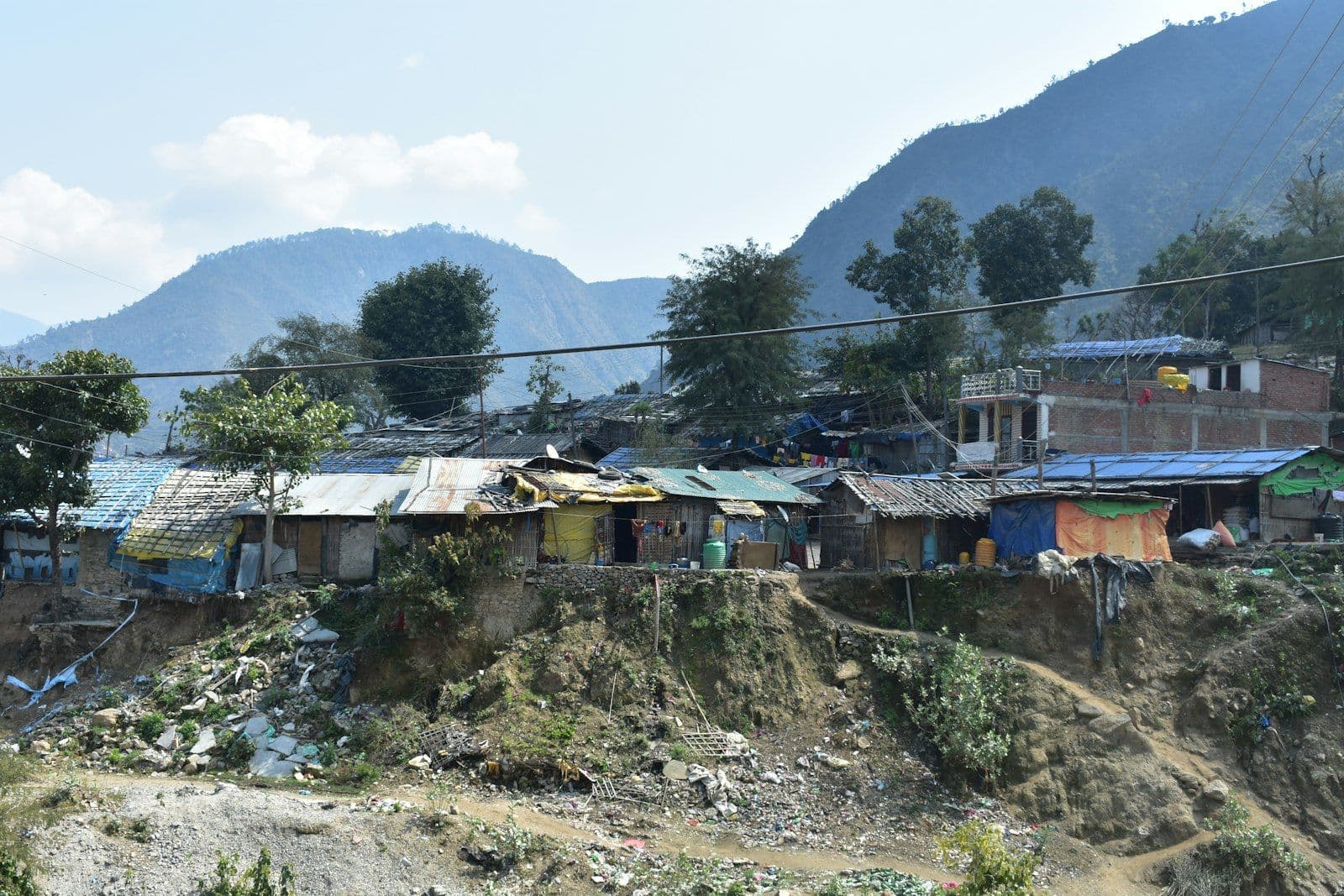
Close to 8,000 schools and around 30,000 classrooms were damaged or destroyed, disrupting the education of roughly 1.5 million children. Because the main shock struck on a Saturday, when schools were closed, a far greater tragedy was avoided, but for months many children studied in temporary learning centres made of bamboo and corrugated metal.
Building back better
Nepal’s reconstruction followed the principle of “build back better”. New schools were designed to earthquake-resistant standards, many with separate toilets for girls, safe drinking water and brighter classrooms. Government, international partners and countless local organisations rebuilt thousands of schools, and by the tenth anniversary the great majority of the schools listed for reconstruction had been completed.
What still needs doing
Rebuilding the buildings was only part of the work. Many rural schools still need furniture, libraries, water systems, play areas and trained teachers. New disasters keep arriving: the 2023 Jajarkot earthquake in western Nepal, and monsoon floods and landslides in districts such as Rasuwa and Nuwakot, damage schools and homes again almost every year.
How volunteers help today
- Rebuilding and repairs: working alongside local masons on classrooms, toilets, retaining walls and painting.
- Flood and landslide relief: clearing debris, supporting temporary shelters and community kitchens.
- Back to learning: teaching support, library corners and school clubs once buildings reopen.
- Preparedness: helping with earthquake drills and safety awareness in schools.
Our Volunteer Building in Nepal programme works on post-earthquake schools and flood relief in Rasuwa and Nuwakot, always on projects chosen with the local community. No building experience is needed, and groups are welcome.
Written by Global Citizens Nepal Team
Programme team, Kathmandu
Our Kathmandu-based team has hosted volunteers, interns and travellers in Nepal since 2019.