When Is the Best Time to Volunteer in Nepal? A Season-by-Season Guide
Spring blossoms, monsoon green, autumn festivals or crisp winter views? How Nepal’s four seasons shape volunteering, trekking and travel – and how to choose your dates.
Global Citizens Nepal Team
Programme team, Kathmandu • • 6 min read
Nepal welcomes volunteers all year round, but each season changes what your placement, your weekends and even your daily commute will feel like. Here is the season-by-season guide our Kathmandu team shares with every volunteer before they choose their dates.
Spring (March to May): blossoms and a new school year
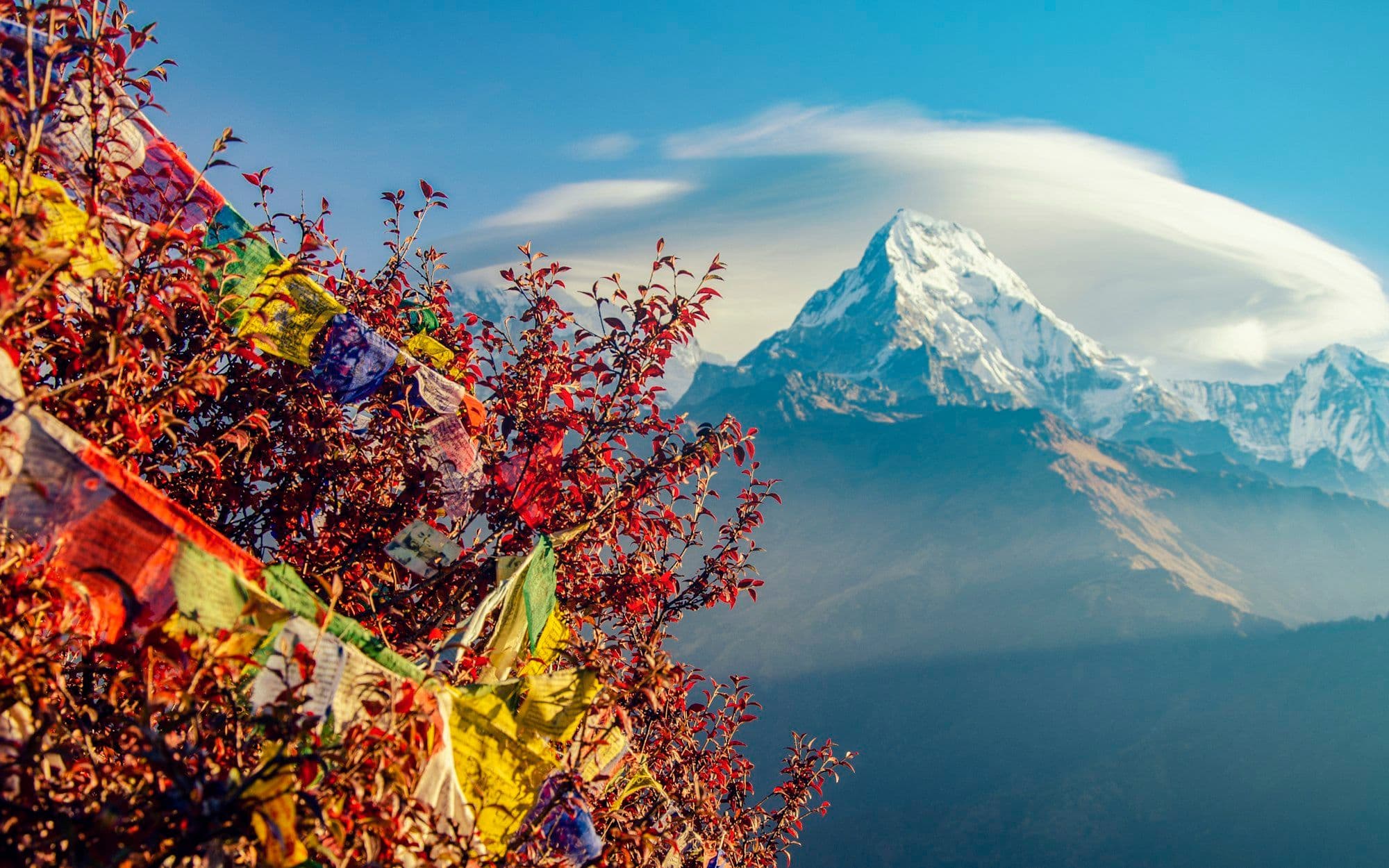
Spring brings warm, dry days, rhododendrons flowering across the hills and the second-best trekking conditions of the year. The Nepali New Year falls in mid-April, and the new school year starts soon after, so it is an excellent time for teaching and school-support placements. By late May the heat builds in Kathmandu and especially in Chitwan, and haze can hide the mountains.
Monsoon (June to August): green hills and rice planting
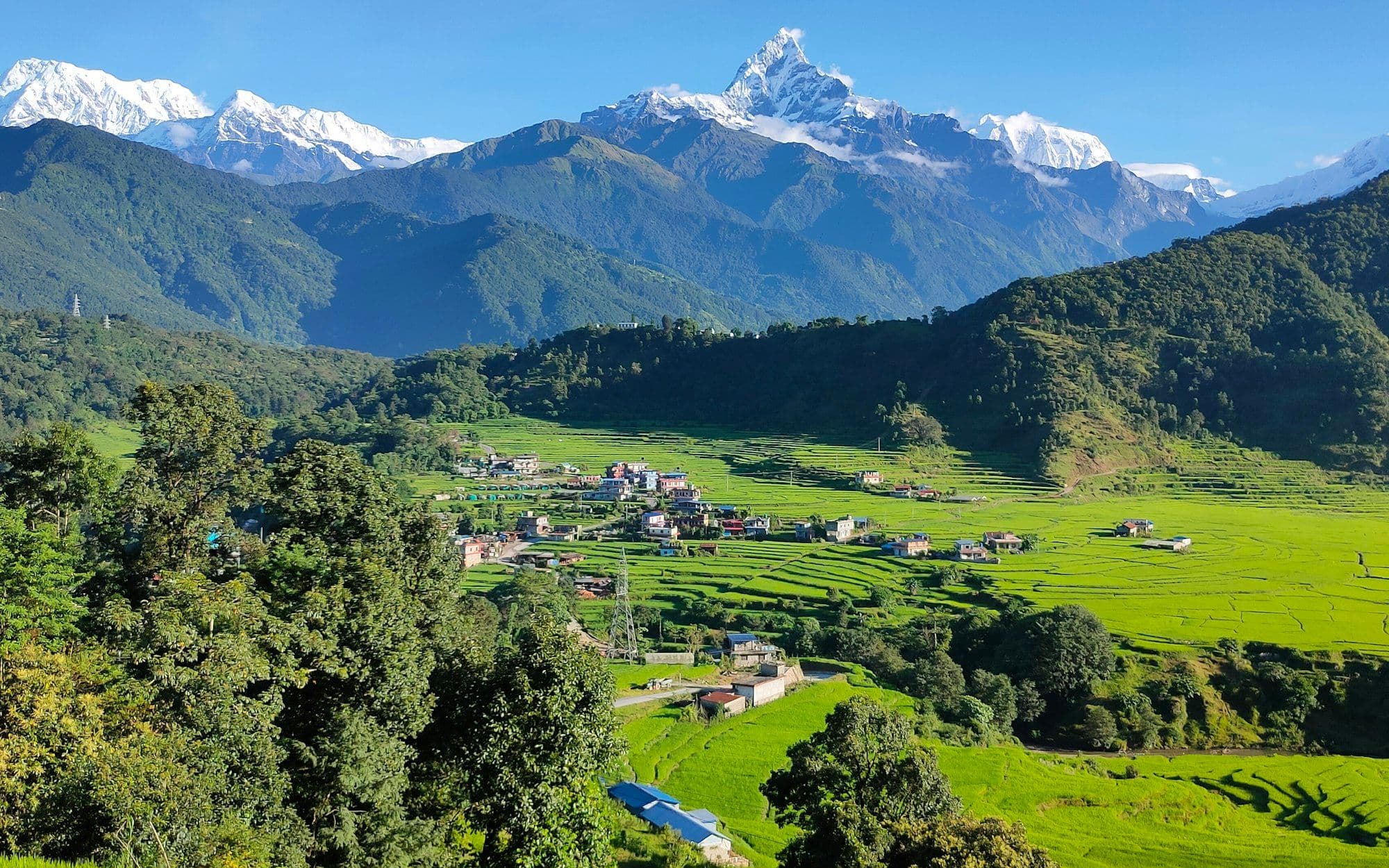
The monsoon does not mean rain all day. Most showers fall in the afternoon and at night, and the countryside turns a brilliant green. This is rice-planting season, and joining a farming family in the paddies around the national paddy day in late June is one of the most memorable experiences Nepal offers. Expect muddy trails, leeches in the forest and occasional road delays from landslides. City-based childcare, medical and NGO placements carry on as normal, and Upper Mustang, in the rain shadow of the Himalaya, is a good trekking option.
Autumn (September to November): festivals and clear skies
Autumn is Nepal at its best: clear mountain views, comfortable temperatures and the country’s biggest festivals, Dashain and Tihar. It is the peak trekking season, so book treks and flights early. Schools close for a long holiday during Dashain, so teaching volunteers should plan around those weeks or combine their placement with a festival homestay.
Winter (December to February): quiet trails and crisp views
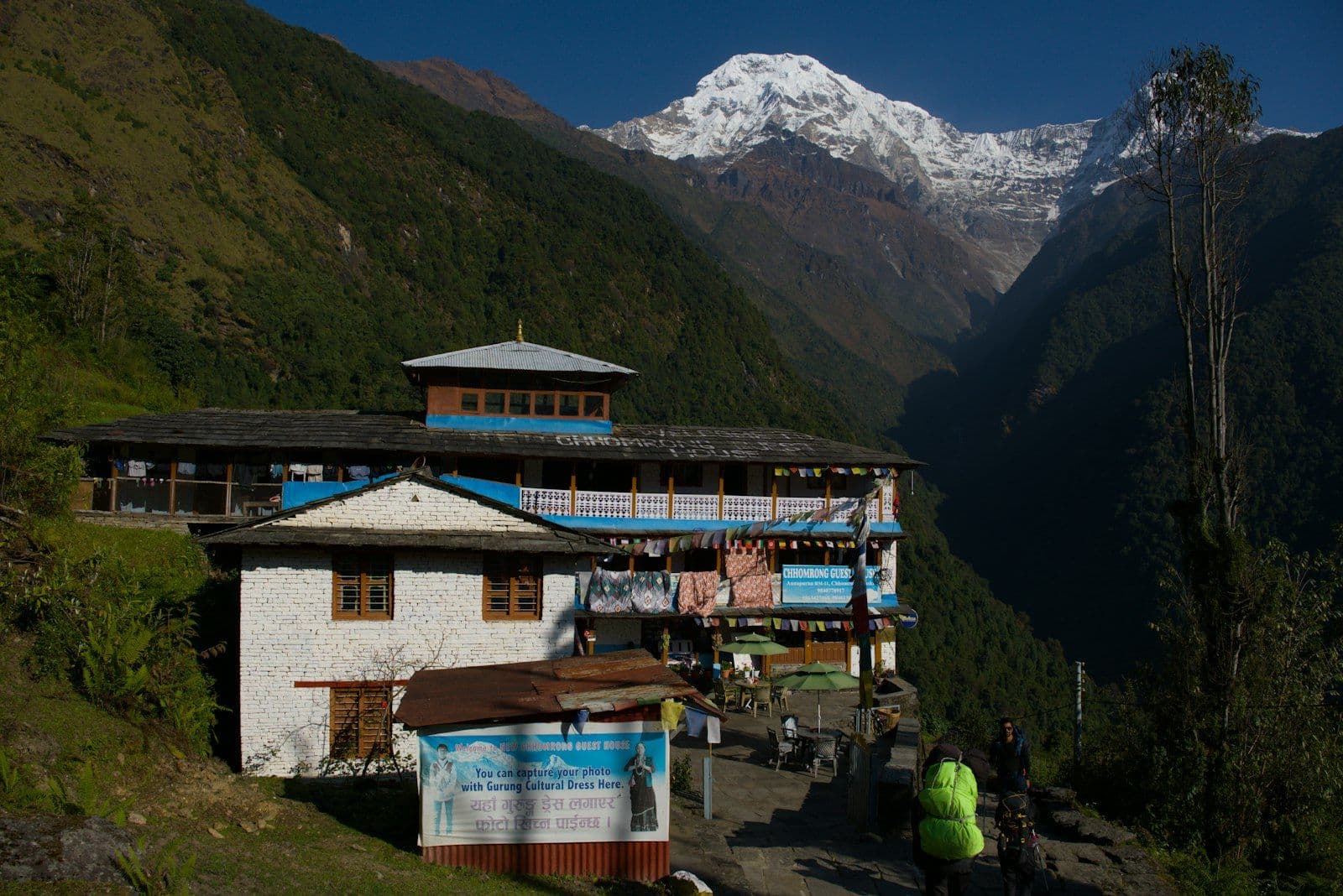
Winter days are often sunny and pleasant, but nights in Kathmandu can drop close to freezing and many homes have no central heating, so pack warm layers. Chitwan has misty mornings that are perfect for wildlife walks. High passes may be snowbound, but lower treks such as Poon Hill and Ghandruk are quiet and beautiful. Some schools in colder areas take a winter break.
How to choose your dates
- Teaching and childcare: avoid the Dashain school holidays; spring is ideal.
- Medical, NGO and conservation: these run all year.
- Trekking after your placement: choose spring or autumn.
- Farming experiences: monsoon for rice planting, autumn for the harvest.
- Budget and quiet: winter and monsoon have fewer tourists.
Most of our programmes start every Monday, so you can build your trip around the season you want. If you are unsure, our Kathmandu team is happy to suggest the best dates for your plans.
Written by Global Citizens Nepal Team
Programme team, Kathmandu
Our Kathmandu-based team has hosted volunteers, interns and travellers in Nepal since 2019.