Trekking to Everest Base Camp After Your Placement: Permits, Fitness and Altitude
Finishing your placement with the Everest Base Camp trek? What permits you need, how fit you should be, how to acclimatise safely and how to cope with Lukla flight delays.
Global Citizens Nepal Team
Programme team, Kathmandu • • 8 min read
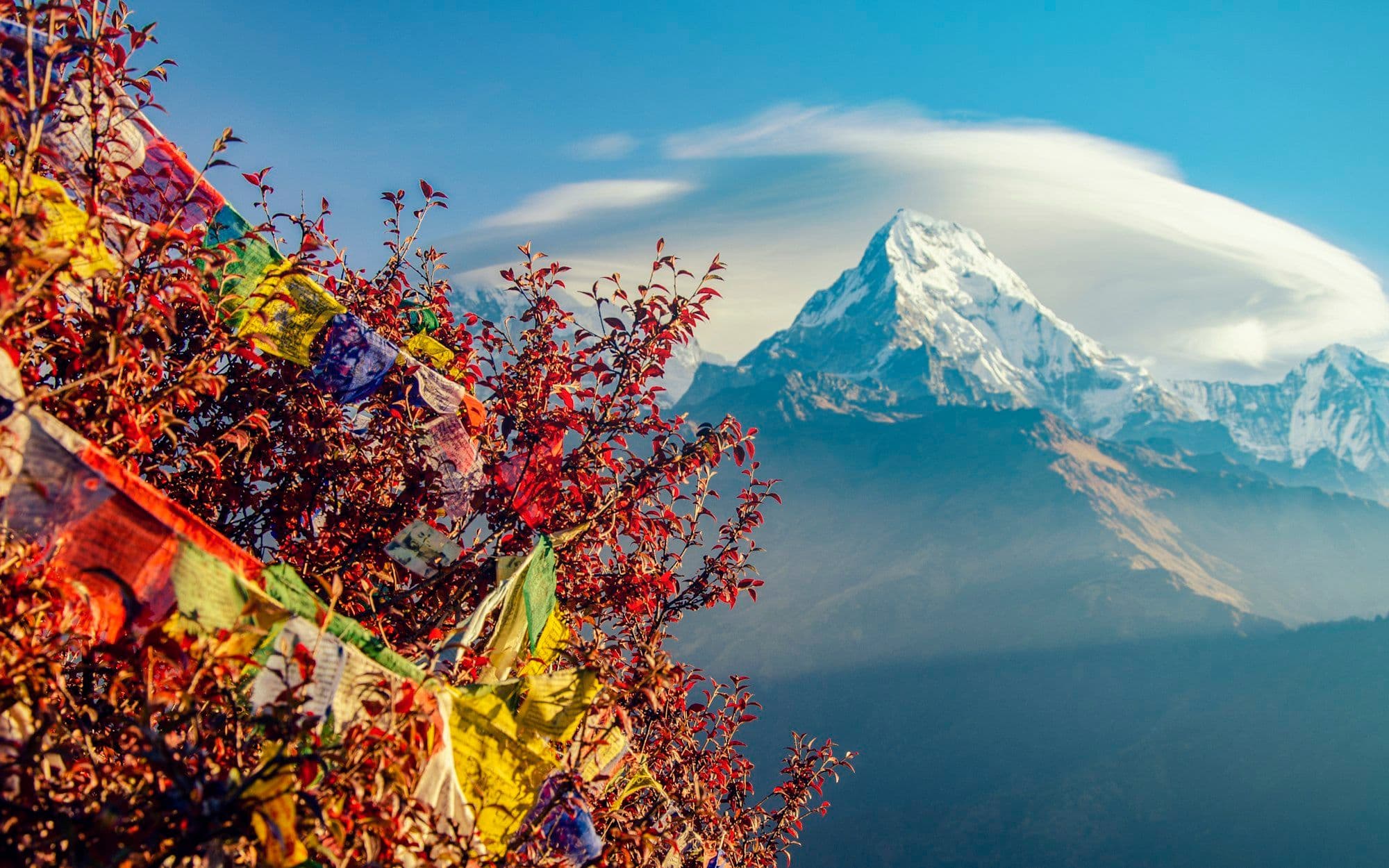
Many of our volunteers finish their placement with the trek of a lifetime: twelve to fourteen days through the Khumbu to Everest Base Camp (5,364 m) and the viewpoint of Kala Patthar. After weeks of living with a Nepali family you will already be used to dal bhat, squat toilets and cold showers, which helps. Here is what else you need to know.
Permits
Trekkers need two permits: the Sagarmatha National Park entry permit and the local entry permit of the Khumbu Pasang Lhamu Rural Municipality, which funds trail and village services. Fees change from time to time and are paid in Nepali rupees, so check the current rates before you go. If you trek with us, your guide arranges both.
How fit do you need to be?
You do not need mountaineering experience, but you will walk five to seven hours a day for nearly two weeks, much of it uphill. Start training at least two months before your trip with long hikes, stair climbing and carrying a light daypack. Your placement in Nepal is a good time to keep training: walk to work, hike the hills around Kathmandu or Pokhara on weekends and get used to the altitude of the valley.
Acclimatise slowly
Altitude sickness can affect anyone, regardless of fitness. A good itinerary climbs gradually and includes rest days in Namche Bazaar and Dingboche. Once you are above about 3,000 metres, try not to increase your sleeping altitude by more than 300 to 500 metres a night.
- Know the symptoms: headache, nausea, dizziness, poor sleep and loss of appetite.
- Never ascend with symptoms. Rest, and if they get worse, descend.
- Warning signs: confusion, loss of coordination or breathlessness at rest are emergencies that require immediate descent.
- Drink plenty of water and avoid alcohol while you are going up.
Flights, weather and insurance
Flights to Lukla are short and spectacular, but they depend on mountain weather and are often delayed or cancelled. During the busiest seasons some flights leave from Manthali (Ramechhap), a few hours’ drive from Kathmandu. Build one or two spare days into your plans. Travel insurance that covers trekking up to about 6,000 metres and helicopter evacuation is essential.
Best seasons
October to November and March to May offer the most stable weather and clearest views. Winter is very cold at the top but quiet, and the monsoon months bring cloud and cancelled flights. Our 14-day Everest Base Camp trek can be added to the end of any placement.
Written by Global Citizens Nepal Team
Programme team, Kathmandu
Our Kathmandu-based team has hosted volunteers, interns and travellers in Nepal since 2019.