Volunteer and Travel: Why a Placement Is the Best Way to See Nepal
Combine meaningful work with Himalayan sunrises, jungle safaris and village homestays. Why volunteers often see more of the real Nepal than tourists, and how to plan your free time.
Global Citizens Nepal Team
Programme team, Kathmandu • • 6 min read
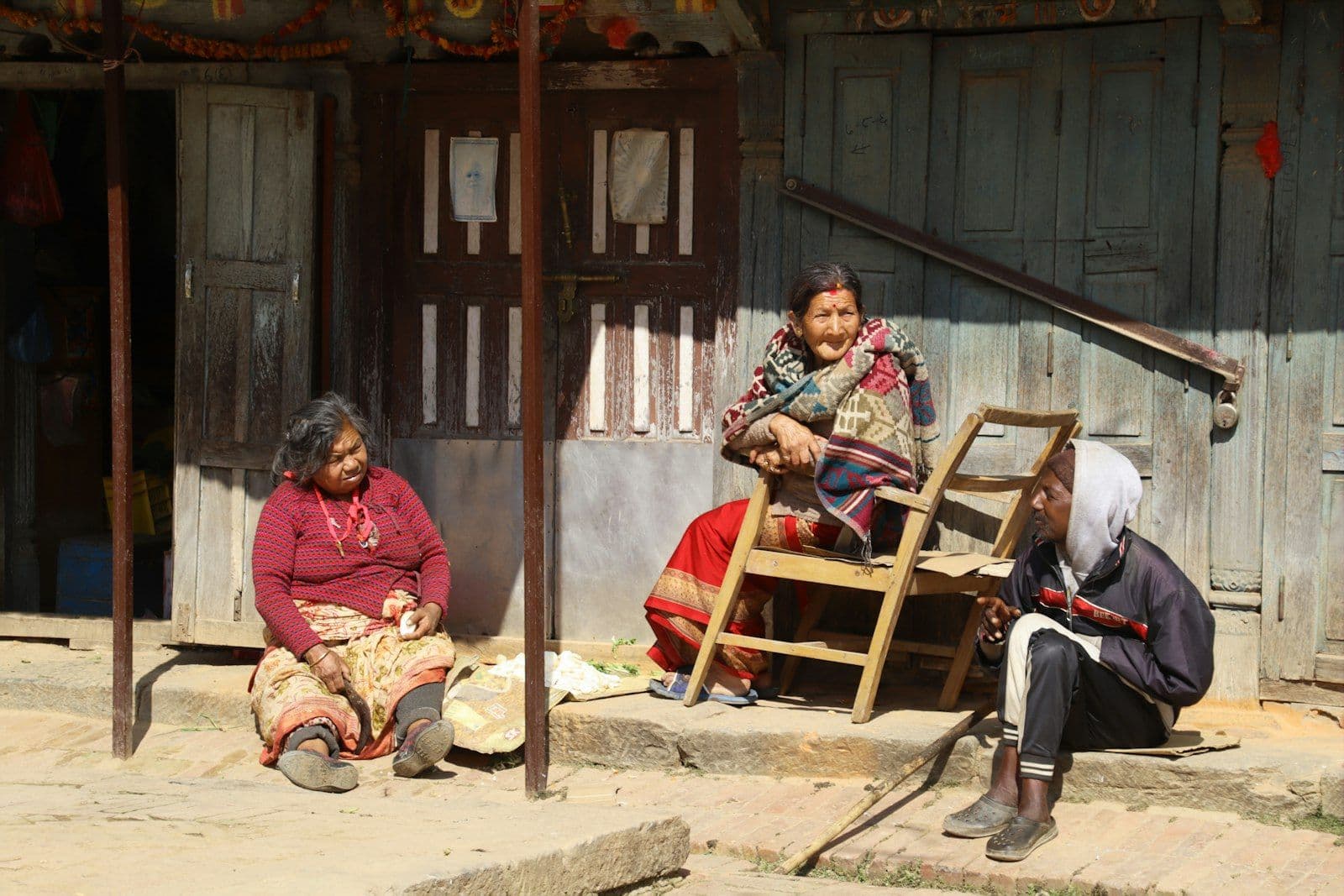
Tourists see Nepal’s highlights. Volunteers see Nepal. When you live with a family, work alongside local colleagues and take the same buses to work, the country opens up in a way that a two-week tour cannot match.
Local friends and insider tips
Your host family, coordinators and colleagues will show you where they eat, which festivals to join and how to bargain in the market. Many volunteers are invited to weddings, pujas and family celebrations.
Three cities, three worlds
- Kathmandu: seven UNESCO-listed monument zones, temples, bazaars and Newari food.
- Chitwan: rhinos, elephants, canoe safaris and Tharu villages in the subtropical lowlands.
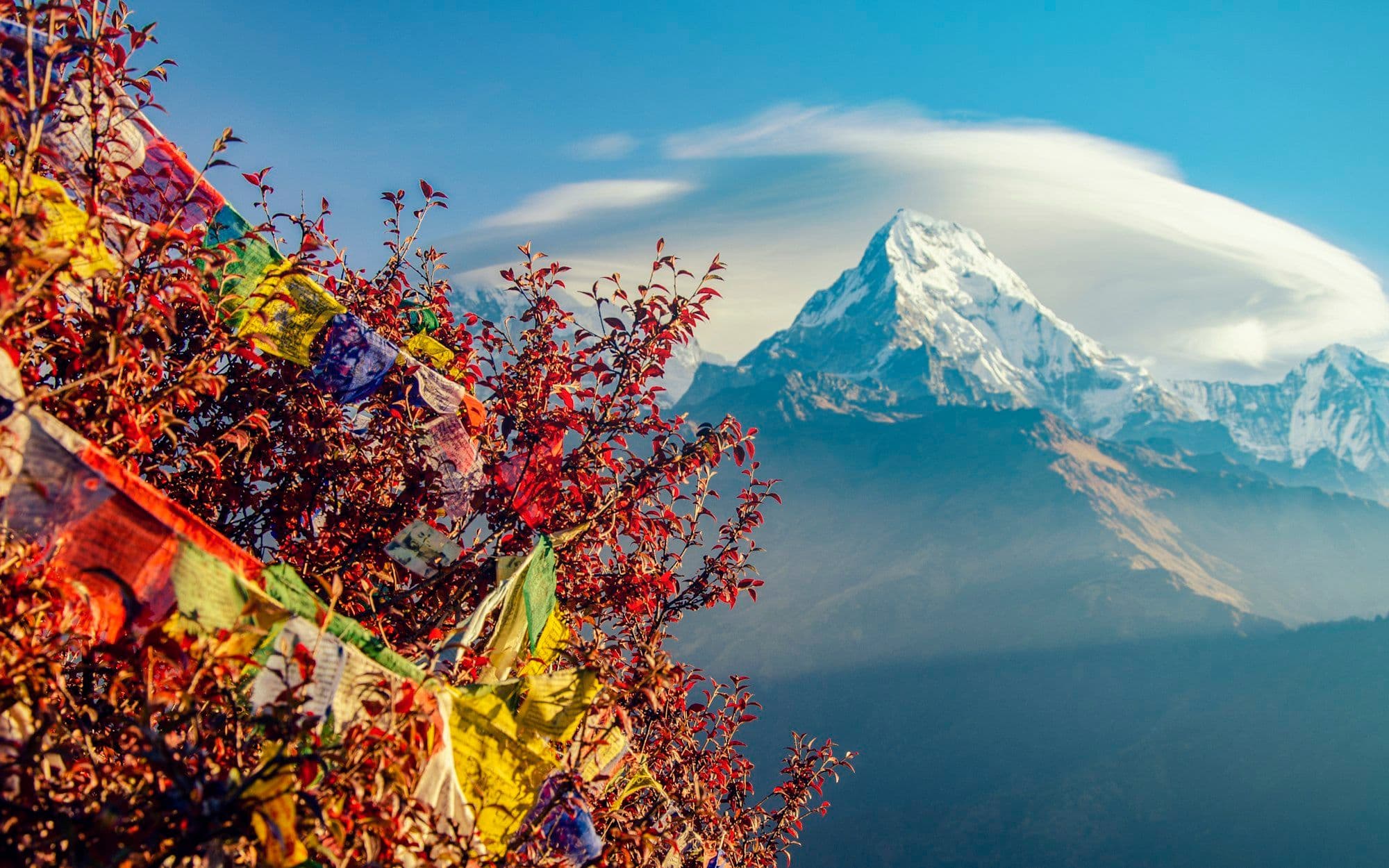
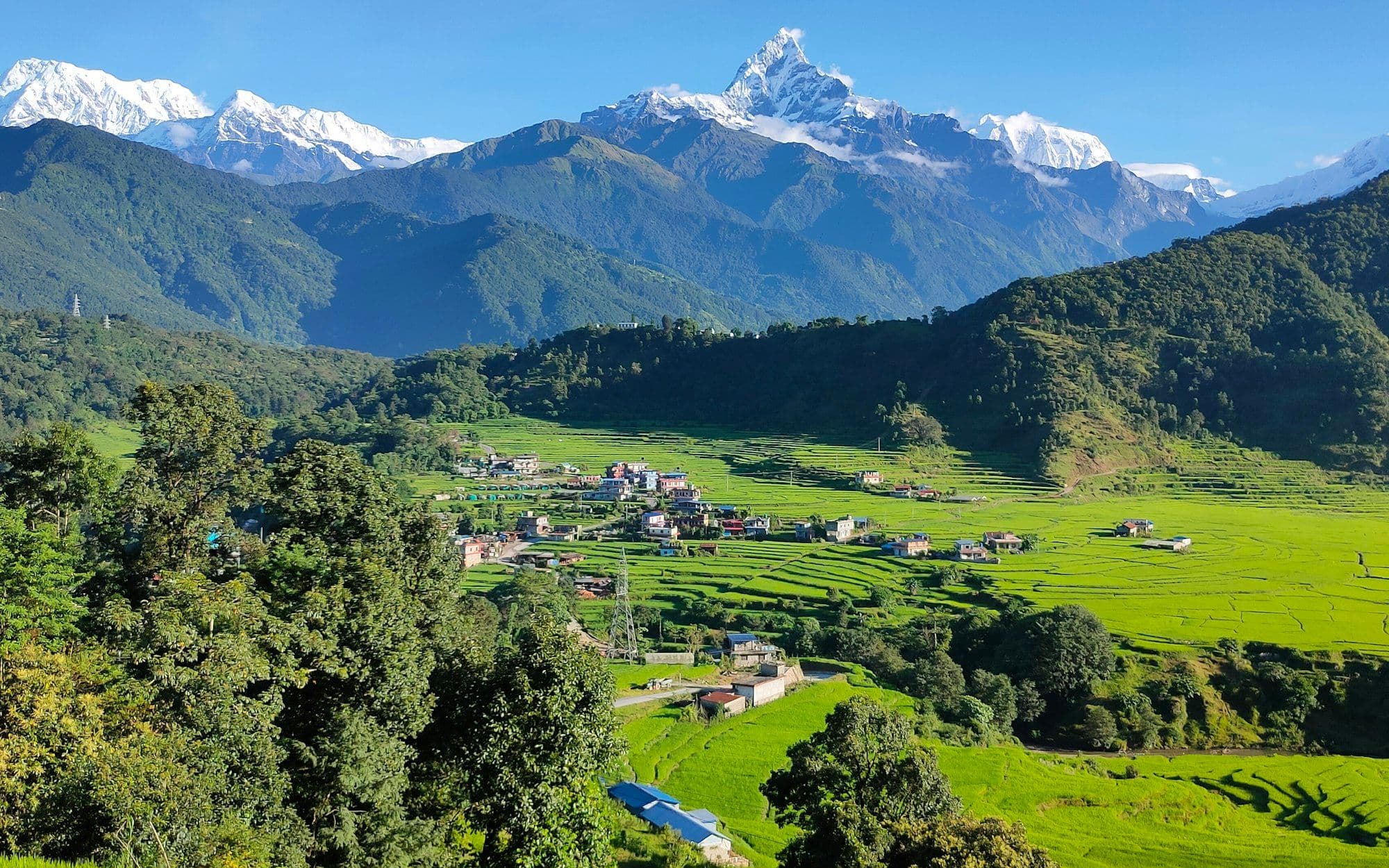
- Pokhara: lakes, paragliding and sunrise views of the Annapurna range, with treks starting nearby.
Make the most of your weekends
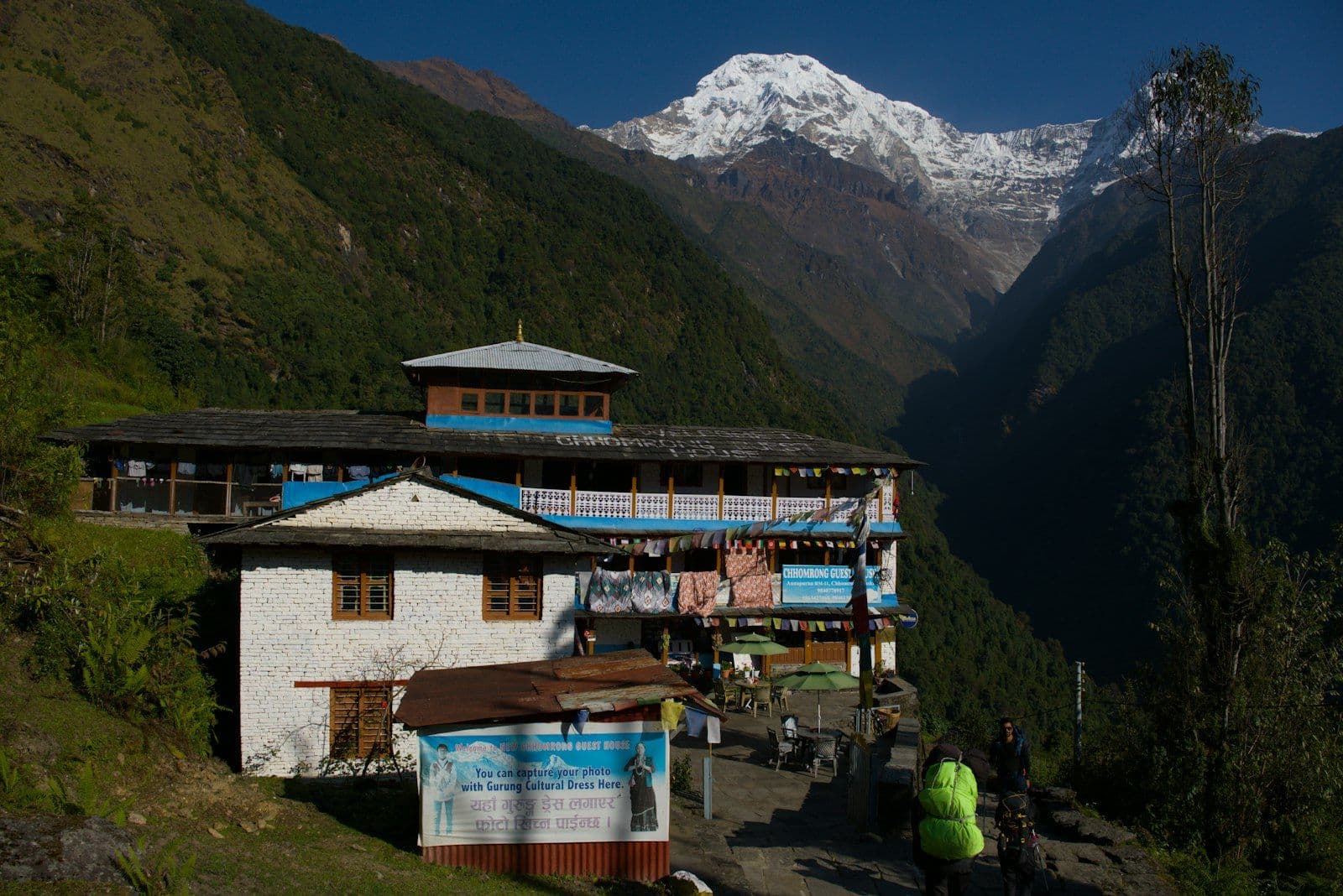
Most placements run Monday to Friday, leaving weekends free. In two or four weeks you can watch the sunrise from Sarangkot, canoe in Chitwan, hike to a Gurung village and still be back for Monday’s lessons. After your placement, add a trek to Poon Hill, Annapurna Base Camp or Everest Base Camp, or an Everest helicopter tour.
Travel that gives back
Volunteer travel keeps more of your money in local communities: homestays, local guides and village restaurants. At Global Citizens, five percent of every programme fee also goes to our Community Sustainability Fund.
Browse our Nepal tours and experiences to plan your free days.
Written by Global Citizens Nepal Team
Programme team, Kathmandu
Our Kathmandu-based team has hosted volunteers, interns and travellers in Nepal since 2019.